
Every bone health word, in plain English.
The words your doctor, your scan report and our lessons use. Each one tells you why it matters for your bones, how strong the evidence is, and where to go deeper.
Start with these
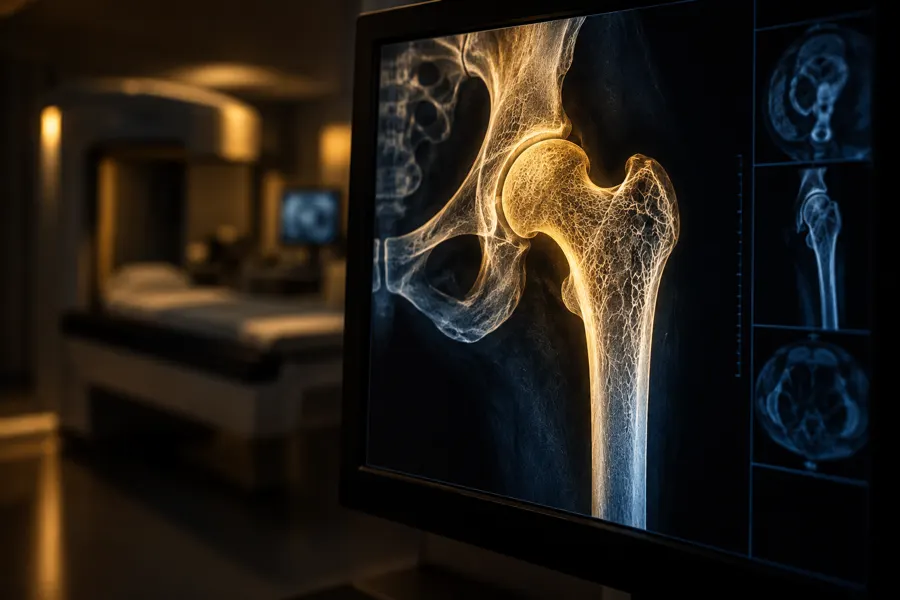
A T-score shows how your bone density compares to a healthy young adult, measured in standard deviations, and it's…
Osteopenia means your bone density, as measured by a DEXA scan, is lower than average but not as low as osteoporosis…
Osteoporosis is a condition where bone breakdown outpaces bone building, causing bones to become thinner, more…
Bone mineral density (BMD) measures how much mineral is packed into your bones, usually estimated with a DEXA scan,…
A DEXA scan is a low-radiation X-ray test that measures how much mineral is in your hip and spine bones, giving you…
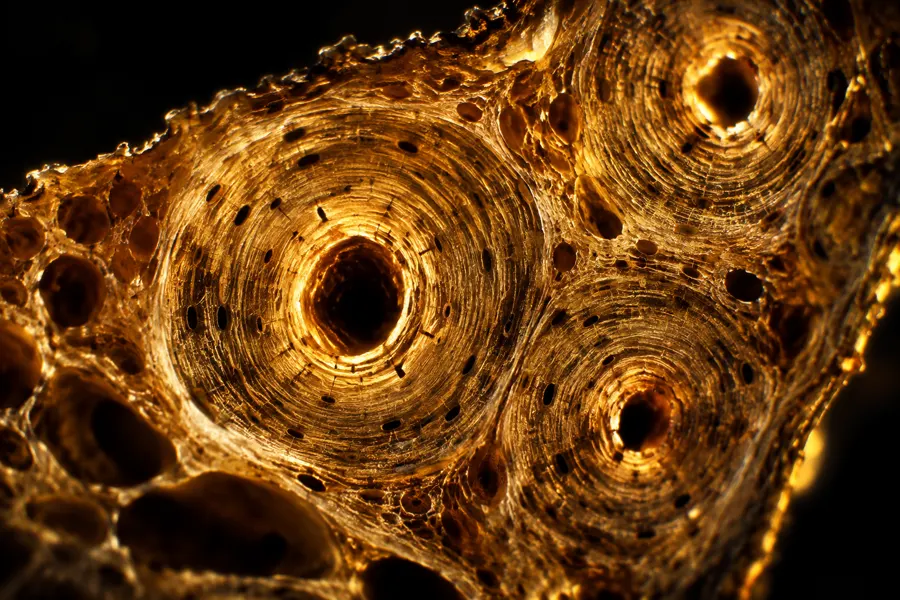
Osteocytes are the most common bone cells. They used to be bone-builders but got trapped inside bone tissue, where…
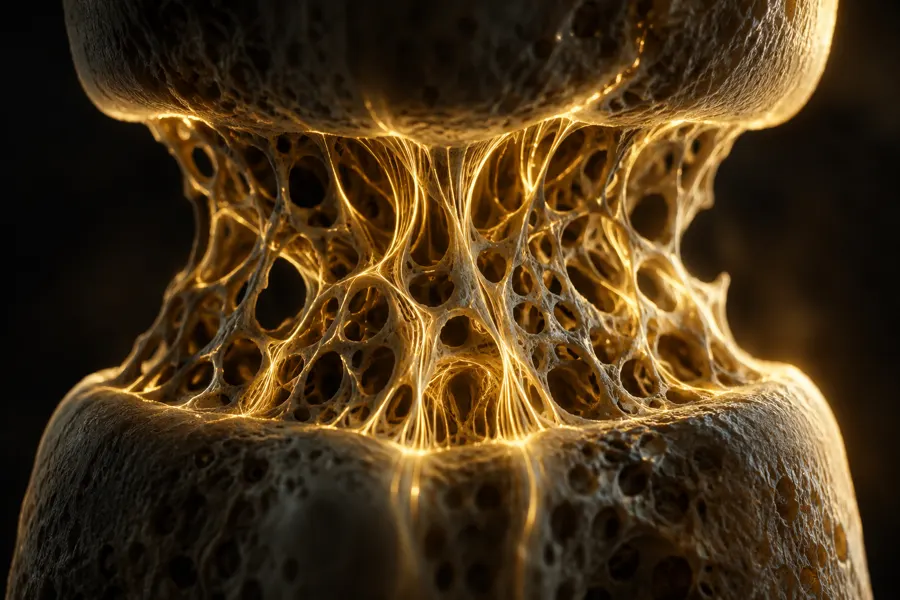
Wolff's Law says your bones adapt to the loads you put on them, getting stronger with use and losing density when…

Sarcopenia is the gradual loss of muscle mass and strength that comes with aging, and it's closely tied to bone health.
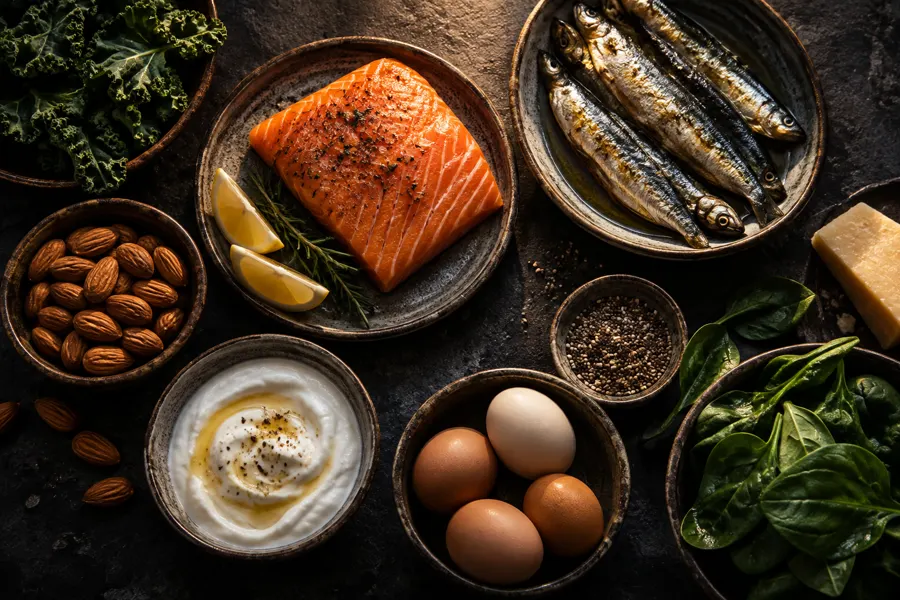
Vitamin D is a nutrient that helps your gut absorb calcium so it can be used to build and maintain bone.
A fragility fracture is a broken bone caused by a fall or bump that normally wouldn't break a healthy bone, often at…
Flip cards: test yourself, gently
A T-score shows how your bone density compares to a healthy young adult, measured in standard deviations, and it's used to classify bone density as normal, osteopenia, or osteoporosis.
Knowing your T-score, and what it does and doesn't mean, helps you ask better questions about your own fracture risk and bone health trends.
No score, no wrong answers. Every card counts as progress, and the words you know turn green across the glossary.
Measuring bone
A 25-hydroxy vitamin D test is a blood test that checks how much vitamin D you have in your body, which is important…
Alkaline phosphatase (ALP) is an enzyme found in bone, liver, and other tissues; the bone-specific form (BSAP) is…
A balance assessment is a set of simple physical tests, like standing on one leg or timed walking tasks, used to…
BMD change is the difference in bone mineral density measured between two DXA scans, usually reported as a percent…
Body composition is the breakdown of your body into fat mass, lean (muscle) mass, and bone, usually measured by a…
A bone age test uses an X-ray, usually of the hand and wrist, to see how mature a person's bones look compared to…
A bone density report is the results printout from a DEXA scan showing how strong your bones are at different sites,…
Bone density units are the way bone scan results are measured and reported, usually as grams of mineral per square…
Bone formation markers are blood tests, like P1NP, that measure how actively osteoblasts are building new bone tissue.
Bone mineral density (BMD) measures how much mineral is packed into your bones, usually estimated with a DEXA scan,…
Bone resorption markers are blood or urine tests, like CTX, that measure how actively osteoclasts are breaking down…
Bone turnover markers (BTMs) are blood or urine tests that measure how fast bone is being broken down and rebuilt…
A calcium blood test measures the amount of calcium circulating in your blood. It's a simple blood draw used to…
The chair stand test measures leg strength and balance by timing how fast or how many times you can stand up from a…
CTX is a blood test marker that shows how fast your body is breaking down old bone right now, acting like a…
A DEXA scan is a low-radiation X-ray test that measures how much mineral is in your hip and spine bones, giving you…
A dual femur scan is a DXA bone density test that measures both hips at once, instead of just one.
DXA sites are the specific body areas scanned during a bone density test, usually the hip and spine, and sometimes…
An Echolight scan (also called REMS) uses sound waves instead of X-rays to estimate bone density, usually at the…
eGFR stands for estimated glomerular filtration rate, a blood test result that shows how well your kidneys are…
Estradiol (E2) is the main form of estrogen measured in a blood test. It plays a central role in protecting bone in…
The femoral neck is the angled part of bone joining your hip ball to your thigh bone shaft, and it's the most common…
FRAX is a free online tool that calculates your 10-year probability of having a major osteoporotic fracture or hip…
Gait speed is how fast you walk at your normal pace, usually measured over a short, fixed distance like 4 meters.…
Grip strength is how hard you can squeeze with your hand, measured with a device called a dynamometer. It's used as…
A heel ultrasound (QUS) is a quick, radiation-free test that uses sound waves through your heel bone to estimate…
HR-pQCT is a detailed 3D CT scan used mostly in research to look closely at the structure of bone at the wrist or…
InBody is a body composition analyzer that uses a painless electrical current (bioelectrical impedance) to estimate…
Least Significant Change (LSC) is the smallest change in a DEXA scan result that's big enough to count as real,…
Lumbar spine BMD is a measurement of bone density in the lower spine, usually vertebrae L1 to L4, taken during a…
Muscle mass measurement checks how much lean muscle tissue you have, often using a DEXA scan or a body composition…
NTX is a blood or urine test that measures a collagen breakdown product, showing how fast your body is breaking down…
Osteopenia means your bone density, as measured by a DEXA scan, is lower than average but not as low as osteoporosis…
Osteoporosis is a condition where bone breakdown outpaces bone building, causing bones to become thinner, more…
An osteoporosis blood panel is a set of blood tests that help find causes of bone loss and check related health, not…
Osteoporosis screening age is the age when doctors generally recommend your first bone density (DEXA) scan to check…
P1NP is a blood marker that shows how fast your body is building new bone collagen right now.
A parathyroid hormone (PTH) test measures the amount of PTH in your blood, usually alongside calcium, to help find…
Peripheral DXA (pDXA) is a quick bone density scan done at the wrist, forearm, or heel using a small portable…
Phase angle is a number from a bioimpedance body composition scan that reflects the health of your cell membranes…
A phosphate test measures the amount of phosphorus in your blood. Phosphate works closely with calcium to build…
QCT (quantitative computed tomography) is an imaging test that uses CT scanning to measure bone density, including…
REMS is an ultrasound-based scan that estimates bone density and tissue quality at the spine and hip without using…
SPPB (Short Physical Performance Battery) is a quick test of balance, walking speed, and leg strength used to…
A T-score shows how your bone density compares to a healthy young adult, measured in standard deviations, and it's…
A testosterone test is a blood test that measures the amount of testosterone in your body, usually reported as…
The Timed Up and Go (TUG) test times how long it takes someone to stand up from a chair, walk a short distance,…
Total hip BMD is the average bone density measured across your whole hip joint on a DEXA scan, used to help diagnose…
Trabecular Bone Score (TBS) is a measurement taken from your spine DEXA image that estimates how well-connected your…
TSH (thyroid stimulating hormone) is a blood test that checks how well your thyroid gland is working by measuring a…
Vertebral Fracture Assessment (VFA) is a side-view spine image, usually taken on a DXA machine, used to spot hidden…
A Z-score compares your bone density to other people your own age and sex, which matters most for younger adults,…
A Z-score compares your bone density to the average for someone your own age and sex, unlike a T-score which…
Conditions

Anorexia nervosa is an eating disorder involving severe calorie restriction and low body weight that can seriously…
Bone pain is a deep, aching discomfort coming from inside the bone itself, which can have many different causes,…
CKD-MBD is a bone and mineral problem caused by chronic kidney disease. As kidneys fail, they can't properly balance…
Degenerative disc disease (DDD) is the natural wearing down of the cushion-like discs between your spine bones…
Ehlers-Danlos syndrome (EDS) is a group of inherited connective tissue disorders that affect collagen, leading to…
Fibrous dysplasia is a bone condition where normal bone is replaced by weaker, fibrous (scar-like) tissue in one or…
Hypoparathyroidism is a condition where the parathyroid glands make too little parathyroid hormone, leading to low…
Hypophosphatasia (HPP) is a rare genetic condition where low levels of a bone-building enzyme (alkaline phosphatase)…
Juvenile osteoporosis is unusually low bone density or fragile bones occurring in children or teens, either without…
Klinefelter syndrome is a genetic condition where males are born with an extra X chromosome, often leading to low…
Kyphosis is an excessive forward curve of the upper back, often called a dowager's hump, which in bone-health terms…
Male osteoporosis is weakened, porous bone in men that raises the risk of fractures, often linked to an underlying…
Marfan syndrome is a genetic condition that affects connective tissue, leading to tall stature, long limbs, flexible…
Osteitis fibrosa cystica is a bone disease caused by severe, long-standing hyperparathyroidism. High parathyroid…
Osteoarthritis is a common joint disease where cartilage breaks down over time, causing pain and stiffness in joints…
Osteopetrosis is a rare genetic disorder where bones become abnormally dense but are actually fragile, due to…
Osteosarcopenia is when a person has both osteoporosis (weak, low-density bone) and sarcopenia (loss of muscle mass…
Osteosclerosis is an abnormal increase in bone density or hardening, usually seen as a finding on an X-ray or scan…
Paralytic osteoporosis is bone loss that happens after paralysis or spinal cord injury, when muscles can no longer…
Primary osteoporosis is bone thinning that develops mainly from aging and hormone changes, not from another disease…
Rickets is a childhood bone disease where bones stay soft and weak because of a lack of vitamin D, calcium, or…
Scoliosis is an abnormal sideways curve of the spine, which can affect posture, back comfort, and the accuracy of…
Secondary osteoporosis is bone loss caused by another disease, medication, or condition — rather than just aging or…
Spinal stenosis is a narrowing of the spaces in your spine that can press on the spinal cord or nearby nerves, often…
Spondylolisthesis is when one spinal bone slips forward out of place over the one below it, most often in the lower…
Turner syndrome is a genetic condition in girls and women caused by a missing or incomplete X chromosome. It often…
Vitamin D deficiency means your body doesn't have enough vitamin D, which is needed to absorb calcium and keep bones…
Fractures & procedures
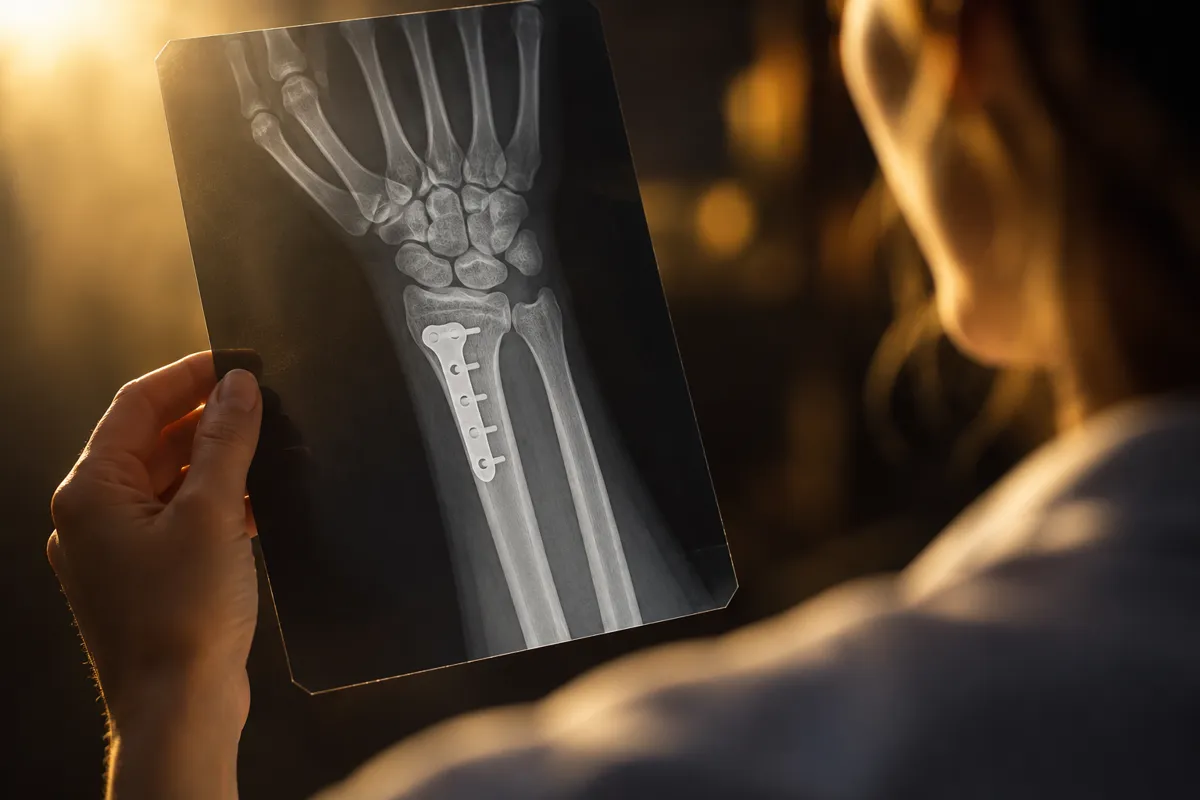
An ankle fracture is a break in one or more of the bones that make up the ankle joint — usually the tibia, fibula,…
An avulsion fracture is when a small piece of bone gets pulled off by a tendon or ligament that's attached to it,…
Bone cement is a fast-hardening acrylic material (usually PMMA) that surgeons use to fix artificial joints in place…
Bone grafting is a surgery that adds bone or bone-like material to help fix a gap, break, or weak spot in a bone so…
Bone union means a broken bone has fully healed and the two ends have knit back together with new bone, restoring…
A bone callus is the new tissue, soft at first and then hardened, that forms around a fracture to join the broken…
A cast is a rigid plaster or fiberglass covering used to immobilize a broken bone so it can heal in proper alignment.
A closed fracture (also called a simple fracture) is a broken bone where the skin stays intact. There's no open…
A Colles' fracture is a break in the distal radius, the forearm bone near the wrist, usually from falling onto an…
A comminuted fracture is a break where the bone shatters into three or more pieces, usually from a strong impact or…
A compound (open) fracture is a broken bone that pierces through the skin or is exposed through a wound, unlike a…
Crutches are mobility aids that help you walk while keeping weight off an injured leg, hip, or foot so it can heal…
A deep vein thrombosis (DVT) is a blood clot that forms in a deep vein, usually in the leg, often because a broken…
Delayed union is when a fracture takes longer than usual to heal, though it's still making progress toward healing.
External fixation uses pins placed into the bone and connected to an outside frame to hold a fracture steady while…
A fall-related fracture is a broken bone caused by a fall, most often in older adults with weaker bones. Common…
Fracture healing is the body's natural, staged process of repairing a broken bone, moving from initial bleeding and…
A fracture liaison service (FLS) is a coordinated hospital or clinic program that identifies people who've had a…
It's the higher chance of breaking another bone after you've already had one fragility fracture, especially in the…
A greenstick fracture is a partial break where the bone bends and cracks on one side but doesn't break all the way…
Hardware removal is surgery to take out metal plates, screws, rods, or pins that were used to fix a broken bone.
Hip pinning is a surgery where metal screws or pins are placed through the skin and into the hip bone to hold a…
A hip protector is a padded pad or shield worn in special underwear over the hip bone to cushion a fall and help…
A hip replacement is surgery to remove a damaged hip joint and replace it with an artificial implant, often done for…
A humerus fracture is a break anywhere along the upper arm bone, most often near the shoulder (proximal humerus) in…
An insufficiency fracture is a break that happens in bone already weakened by low bone density, caused by normal…
Internal fixation is surgery that uses metal rods, plates, screws, or wires placed inside the body to hold a broken…
An intramedullary nail, or IM nail, is a metal rod a surgeon places down the hollow center of a long bone, like the…
Kyphoplasty is a minimally invasive surgery that uses a balloon and bone cement to repair and stabilize a collapsed…
A malunion is a broken bone that healed, but in a crooked, shortened, or misaligned position instead of its normal…
A nonunion is a broken bone that has stopped healing and won't knit back together on its own, even months after the…
Oophorectomy is surgery to remove one or both ovaries, which causes an abrupt drop in estrogen if done before…
ORIF stands for "open reduction internal fixation." It's a surgery where a surgeon repositions broken bone pieces…
Orthostatic hypotension is a sudden drop in blood pressure when you stand up, which can make you feel dizzy or…
An osteotomy is a surgery where a bone is deliberately cut and repositioned to correct alignment, deformity, or…
A partial hip replacement (hemiarthroplasty) is surgery that replaces only the ball (femoral head) of the hip joint…
A pathologic fracture is a bone break caused by an underlying disease weakening the bone, not by a major injury or…
A pelvic fracture is a break in the ring of bones connecting the spine to the legs, often caused by a fall in older…
A pin site infection is an infection where a metal pin or wire enters the skin from an external fixator, a frame…
A pulmonary embolism is a blood clot that travels to the lungs, usually from a leg vein. It's a known risk after a…
Rehabilitation after fracture is the structured process of healing and retraining the body after a broken bone,…
Revision surgery is a repeat operation to replace or repair a previous joint implant, like a hip replacement, that…
A rib fracture is a crack or break in one of the bones that make up the rib cage. It's usually caused by a direct…
Spinal fusion is a surgery that permanently joins two or more vertebrae together using bone graft and hardware like…
A spiral fracture is a break that curves around the bone like a corkscrew, usually caused by a twisting force rather…
A splint is a rigid or semi-rigid device used to support and limit movement of an injured bone or joint, such as…
A stress fracture is a small crack in a bone caused by repeated stress over time, rather than a single hard blow.
Syncope is a brief loss of consciousness caused by a temporary drop in blood flow to the brain, often described as…
A vertebral compression fracture is when a bone in the spine collapses or flattens, often because the bone is…
Vertebroplasty is a procedure where a doctor injects bone cement into a fractured spinal vertebra to help stabilize…
Vertigo is a false sense of spinning or movement, often caused by inner ear problems like BPPV, and it raises the…
A walker (or walking frame) is a hand-held support frame, sometimes with wheels (rollator), that helps people stand…
Weight-bearing status is a doctor's instruction on how much weight you can safely put on a healing bone or joint,…
Anatomy
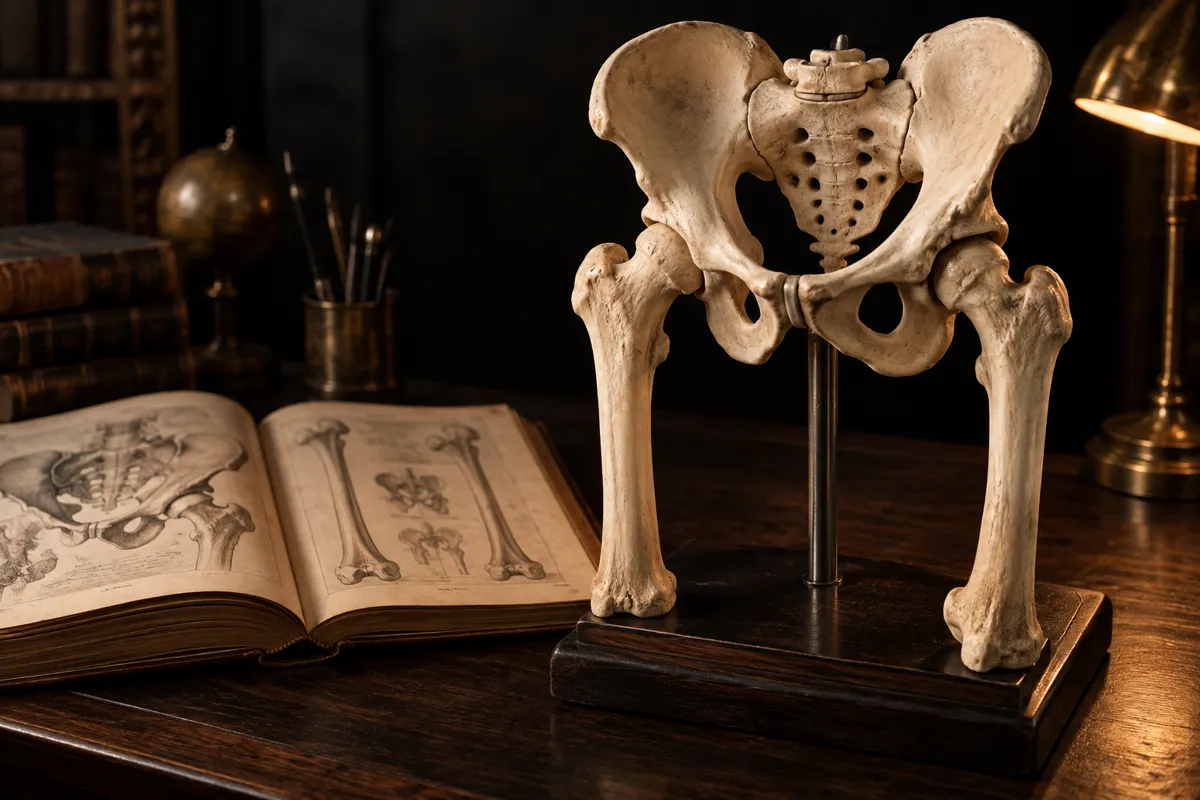
Articular cartilage is the smooth tissue covering the ends of bones in a joint, cushioning movement and letting…
The calcaneus is the heel bone, the large bone at the back of your foot that supports your body weight and absorbs…
The cervical spine is the neck region of the spine, made of seven small vertebrae (C1-C7) that support the head and…
The clavicle, or collarbone, is the long bone connecting your breastbone to your shoulder blade, helping support and…
The distal radius is the end of the forearm bone near the wrist, and it's one of the most common spots for a…
The femoral head is the rounded, ball-shaped top of the thighbone (femur) that fits into the hip socket to form the…
The femoral shaft is the long middle part of the thighbone (femur), connecting the hip end to the knee end.
The femur, or thigh bone, is the longest and strongest bone in the body, stretching from the hip to the knee and…
The fibula is the slender bone running next to the shin bone (tibia) in your lower leg, from below the knee to the…
The greater trochanter is the bony bump on the outer side of your upper thigh, part of the femur (thighbone), where…
The hip joint is the ball-and-socket joint where the thigh bone meets the pelvis, letting the leg move freely while…
The humerus is the long bone of the upper arm, stretching from the shoulder to the elbow.
The ilium is the largest, uppermost part of the pelvis—the wide, curved bone you feel as your hip bone.
An intervertebral disc is the soft, cushion-like pad sitting between each vertebra in your spine. It acts as a shock…
The lumbar spine is the lower part of your backbone, made up of five vertebrae (L1-L5) between your ribs and pelvis.…
The patella, or kneecap, is a small, flat bone that sits in front of the knee joint and protects it while helping…
The pelvis is the large, bowl-shaped bone structure that connects your spine to your legs and supports your body weight.
The proximal humerus is the top part of your upper arm bone, right where it forms the ball of your shoulder joint.
The radius is the forearm bone on the thumb side, running from the elbow to the wrist, and its lower end is a common…
A rib is one of 12 pairs of curved, flat bones that form the rib cage, protecting the heart and lungs and attaching…
The sacrum is the triangular bone at the base of your spine that connects your backbone to your pelvis.
The scapula, or shoulder blade, is the flat, triangular bone on the back of your shoulder that anchors arm and…
The spine, or backbone, is the column of small bones (vertebrae) running down your back that supports your body and…
The sternum, or breastbone, is the flat bone in the middle of your chest that connects to your ribs through…
The thoracic spine is the middle part of your backbone, made of twelve vertebrae (T1-T12) that connect to your ribs.
The tibia is the shin bone — the larger, weight-bearing bone running from your knee to your ankle.
The ulna is the long bone on the pinky side of your forearm, stretching from your elbow to your wrist.
A vertebra is one of the 24 small bones stacked together to form the spine, each made of a thick front body and bony…
A vertebral body is the solid, round block of bone that forms the front, weight-bearing part of each bone in your spine.
The vertebral endplate is the thin layer of bone and cartilage at the top and bottom of each spinal vertebra,…
The wrist is the joint where the hand meets the forearm, made up of small carpal bones plus the ends of the radius…
Bone biology
Beta-catenin is a protein inside bone-building cells that acts as a key messenger in the Wnt signaling pathway,…
BMPs (bone morphogenetic proteins) are natural signaling proteins in bone that trigger bone-building cells to form…
The bone cortex is the hard, dense outer layer of bone that gives it strength and shape.
Bone lining cells are flat, resting cells that cover bone surfaces when no active building or breakdown is…
Bone marrow is the soft tissue inside bones where red bone marrow makes your red blood cells, white blood cells, and…
Bone matrix is the combination of minerals and proteins that makes up the solid structure of bone, giving it both…
Bone remodeling is the lifelong cycle where cells called osteoclasts remove old bone and osteoblasts build new bone…
A bone remodeling unit (BMU) is the small group of cells on your bone surface that removes old bone and builds new…
Canaliculi are microscopic channels in bone that connect bone cells together and let fluid flow past them, helping…
Type I collagen is the main protein in bone, forming a flexible framework that mineral crystals attach to, giving…
The collagen matrix is the flexible protein framework inside bone that mineral crystals attach to, giving bone both…
Connexin 43 is a protein that builds tiny tunnels, called gap junctions, letting bone cells pass signals directly to…
Cortical bone is the dense, hard outer layer of bone that forms a protective shell and resists bending and twisting…
Coupling is the normal process where bone-building cells (osteoblasts) follow bone-removing cells (osteoclasts) to…
Cytokines are signaling proteins from immune cells; some, like TNF-alpha, IL-1 and IL-6, promote inflammation and…
The diaphysis is the long middle shaft of a long bone, such as the femur or humerus, made mostly of dense cortical…
Dickkopf-1 (DKK1) is a protein that blocks bone-building signals, and it's made in excess by some diseases like…
The endosteum is the thin layer of cells lining the inner surface of bone, next to the marrow cavity.
The epiphysis is the rounded end part of a long bone, found beyond the growth plate, that forms part of a joint.
FGF23 is a hormone made by bone cells that tells the kidneys how much phosphate to keep or remove and helps regulate…
A flat bone is a thin, broad, often curved bone—like the skull, ribs, sternum, or pelvis—built from a layer of…
Gap junctions are direct tunnels between bone cells that let them share signals instantly, so one cell sensing force…
A growth plate (epiphyseal plate, or physis) is a layer of cartilage near the ends of a child's or teen's long bones…
A Haversian canal is a tiny tunnel running through dense bone that carries blood vessels and nerves to keep the bone…
Hydroxyapatite is the hard mineral crystal, made mostly of calcium and phosphorus, that gives your bones their…
A lacuna is a tiny chamber inside bone where an osteocyte, a mature bone cell, lives and senses the forces placed on…
Lamellae are the thin, organized layers of collagen and mineral that make up mature, strong bone, similar to rings…
A long bone is a bone that's longer than it is wide, like the femur or humerus, with a shaft and two ends. These…
LRP5 and LRP6 are receptors on bone cells that work with the Wnt signaling pathway to control how much new bone your…
The marrow cavity is the hollow, central space inside a long bone that holds bone marrow.
The metaphysis is the flared, wider section of a long bone located between its shaft and the rounded end near a…
Mineralization is the process where mineral crystals, mainly calcium and phosphate, harden the soft collagen…
OPG (osteoprotegerin) is a protein made by bone-building cells that blocks a signal called RANKL, which helps slow…
An osteoblast is a cell that builds new bone by laying down fresh bone matrix, working alongside cells that break…
Osteoblastogenesis is the process of forming new osteoblasts, the cells that build bone, from stem cells in the bone…
Osteocalcin is a hormone made by bone that helps regulate blood sugar, muscle energy use, and other body functions…
Osteoclasts are the cells that break down old bone tissue, working alongside bone-building osteoblasts to constantly…
Osteoclastogenesis is the process where bone marrow cells turn into osteoclasts, the cells responsible for breaking…
Osteocytes are the most common bone cells. They used to be bone-builders but got trapped inside bone tissue, where…
Osteocyte apoptosis is the programmed death of bone-sensing cells, which can trigger local bone breakdown through…
Osteoid is the soft, unmineralized protein scaffold that bone cells build first; it hardens later when minerals like…
Osteoimmunology is the study of how the immune system and bone cells interact and influence each other.
An osteon is the basic structural unit of hard, compact bone. It's a tiny cylinder made of rings of bone tissue…
Osteopontin is a protein found in bone's organic matrix. It helps bind mineral crystals to collagen fibers and plays…
Peak bone mass is the maximum amount and density of bone a person builds, usually reached by early adulthood, before…
The periosteal surface is the outer edge of a bone, right where it meets the surrounding soft tissue and is covered…
The periosteum is the thin membrane that covers the outside of your bones, carrying blood vessels and nerves into…
The piezoelectric effect in bone is the small electrical charge that bone tissue produces when it's bent,…
RANK is a protein on bone-cell precursors that, when activated, tells them to turn into osteoclasts, the cells that…
A resorption pit is a small dent left on bone where osteoclasts have dissolved away old bone tissue. It's also known…
RUNX2 is a 'master switch' gene that tells cells to become osteoblasts, the cells that build new bone.
Sclerostin is a protein made by bone cells called osteocytes that blocks new bone formation; less mechanical strain…
A sesamoid bone is a small bone embedded inside a tendon, usually near a joint, that helps reduce friction and…
A short bone is a roughly cube-shaped bone, like those in the wrist and ankle, that's about as wide as it is long.
Subchondral bone is the layer of bone directly under the cartilage in your joints, helping cushion and support the…
TGF-beta (transforming growth factor beta) is a signaling protein stored in bone matrix that helps control how bone…
Trabeculae are the thin, interconnected struts of bone that form a spongy, lattice-like network inside bones such as…
Trabecular bone is the spongy, honeycomb-like bone found inside structures like your spine and hip, providing…
The Wnt signaling pathway is a cell-communication system that signals osteoblasts to build new bone; when it's…
Woven bone is disorganized, quickly-formed bone tissue with randomly arranged collagen fibers, making it weaker than…
Yellow bone marrow is the soft, fatty tissue found mostly in the hollow centers of long bones, as opposed to red…
How bone adapts
Endosteal resorption is the thinning of bone from the inner surface outward, which widens the hollow space inside…
Fluid shear stress is the drag force that fluid inside bone creates against bone cells when you move or bear weight,…
Integrins are proteins that anchor bone cell extensions to their surrounding canal, letting cells sense mechanical…
Interstitial fluid flow is the movement of fluid through tiny channels in bone that happens when bone bends,…
The lacunar-canalicular system is a network of tiny spaces and channels in bone where fluid moves when bone is…
The mechanostat is Frost's theory that bone acts like a thermostat, removing, maintaining, or building bone…
Mechanotransduction is how bone cells sense physical force and turn it into chemical signals that tell bone to adapt.
Microstrain (µε) is a tiny measure of how much bone bends under force — one millionth of its original length.
Bone modeling is the process where your body adds or removes bone on its surfaces, reshaping it in response to the…
Periosteal expansion is the slight widening of bone that happens on its outer surface as we age, even as the inside…
Piezo1 is a stretch-sensitive channel in bone cell membranes that opens when fluid moves through bone, letting ions…
Sclerostin suppression by loading means that when you put physical stress on bone, like during exercise, the bone's…
Site-specific bone adaptation means bone gets stronger mainly in the exact spots where it is mechanically loaded,…
Strain rate is how quickly a force is applied to bone, not just how much force there is — and faster loading tends…
Wolff's Law says your bones adapt to the loads you put on them, getting stronger with use and losing density when…
Loading & training

Axial loading is force applied along the length of a bone, like the compression your spine or leg bones feel when…
Back extensor strengthening is exercise that targets the muscles along your spine to improve posture and support the…
Core stability training strengthens the deep muscles around your spine, abdomen, and pelvis so they can support and…
Cycling and bone density refers to the observation that cycling, a low-impact, non-weight-bearing exercise, provides…
A deadlift is a strength exercise where you lift a weight off the floor by hinging at your hips, often studied for…
Detraining is the loss of bone density and strength gains that occurs when you stop the exercise that was…
Eccentric training means strengthening a muscle while it lengthens under load, like slowly lowering a weight instead…
Exercise contraindications for osteoporosis are movements generally discouraged because they may raise fracture…
Ground reaction force is the push-back force the ground gives your body each time you step or move against it.
High-intensity resistance and impact training (HiRIT) is a supervised exercise approach that combines heavy weight…
A hip hinge is a movement pattern where you bend forward from the hips while keeping your back straight, rather than…
Impact loading is exercise, like jumping or hopping, that sends a sudden, forceful jolt through the skeleton,…
Isometric exercise is when your muscle pushes hard against something that doesn't move, like pressing against a…
Jump training is exercise that uses controlled jumping or landing movements to create strong, brief forces through…
The LIFTMOR trial was a study showing that supervised, heavy twice-weekly lifting over eight months helped…
A multicomponent exercise program mixes strength, balance, and sometimes mobility training together in one routine,…
Nordic walking is walking while using two poles to push off with each step, adding upper body and core activity to a…
Osteogenic loading means applying brief, high, muscle-generated force to your skeleton in a way that's strong enough…
Peak force is the highest point of force reached during a movement, lift, or impact — the single biggest push at its…
Plyometric exercise means quick, explosive movements like jumping or hopping that briefly load bones with fast,…
Power training is exercise that builds the ability to move weight or your own body quickly, not just strongly. It…
Progressive overload is the training principle of gradually increasing the load, intensity, or difficulty of…
Rate of force development (RFD) is how quickly muscle force rises during a movement, like a fast push-off versus a…
Resistance band training is a form of strength exercise that uses stretchy elastic bands to provide resistance…
Resistance training is exercise where your muscles work against weight or resistance, like squats, deadlifts, or…
A squat is a strength exercise where you bend your knees and hips to lower your body, then stand back up, working…
Bone strain is the small amount of bending or deformation a bone undergoes when force is applied to it, like during…
Swimming and bone density refers to the fact that swimming, while great for cardiovascular fitness and joints, is a…
Weight-bearing exercise is any activity, like walking or dancing, where your body supports its own weight against…
Whole-body vibration is standing or exercising on a platform that vibrates rapidly, which some researchers have…
Muscle & balance
Balance training is practice that improves your stability and coordination so you're less likely to fall — and falls…
Dual-task training combines a physical activity, like walking or balancing, with a mental task, like counting or…
Dynapenia is the age-related loss of muscle strength and power that isn't fully explained by loss of muscle size alone.
Fall risk is how likely you are to fall, and it matters because falling—not just weak bones—is the most common cause…
The Golgi tendon organ is a sensor in your tendons that detects how much force your muscles are producing and helps…
Irisin is a chemical messenger (myokine) released by working muscles that signals bone-building cells to become active.
Lean mass is mostly your muscle weight — the non-fat part of your body. It's tracked because it's closely linked to…
Muscle quality refers to how well muscles function \u2014 their strength and efficiency relative to size \u2014…
Myokines are chemical messengers released by working muscle that can signal bone cells, linking muscle activity and…
Myostatin is a molecule made by muscle that slows down growth in both muscle and bone tissue.
Postural instability is trouble keeping your balance while standing, walking, or changing position, which can lead…
Proprioception is your sense of where your body and joints are in space without looking, helping you balance and…
Sarcopenia is the gradual loss of muscle mass and strength that comes with aging, and it's closely tied to bone health.
Sarcopenic obesity is having too much body fat along with too little muscle mass and strength, often at the same time.
The vestibular system is the part of your inner ear and brain that senses motion, head position, and balance. It…
Risk & causes
Your 10-year fracture risk is an estimate of how likely you are to break a bone (especially a hip or a major bone…
Advanced glycation end-products (AGEs) are compounds that form when excess sugar damages proteins in the body,…
Aging and bone loss means bones naturally lose density and strength as people get older, mainly because the body…
Amenorrhea is the absence of menstrual periods, often from low estrogen caused by intense exercise, low body weight,…
Anticoagulants, or blood thinners, are medications that reduce blood clotting; some types, particularly heparin and…
An atypical femoral fracture is an uncommon break in the shaft of the thigh bone that looks and behaves differently…
Avascular necrosis is when part of a bone dies because it loses its blood supply, which can weaken and eventually…
Bariatric surgery (gastric bypass or sleeve) changes digestion in ways that can speed up bone loss, mainly through…
Bone metastases occur when cancer spreads from elsewhere in the body into bone, disrupting the normal balance…
Celiac disease is an autoimmune condition that damages the small intestine, often reducing absorption of calcium,…
Chronic kidney disease is a long-term decline in kidney function that can disrupt vitamin D activation and the…
COPD and bone loss describes the higher risk of osteoporosis and fractures seen in people with chronic obstructive…
Crohn's disease is a digestive condition that inflames and damages the gut lining, which can reduce the body's…
Cushing's syndrome is a condition caused by too much cortisol in the body, which can seriously weaken bones over time.
Diabetes and bone health describes how both type 1 and type 2 diabetes raise fracture risk, but through different…
Drug-induced osteoporosis is bone loss caused by a medication taken for another health condition, rather than by…
A falls history questionnaire is a simple set of questions doctors use to check how likely you are to fall, based on…
A family history of osteoporosis means a close blood relative, like a parent or sibling, has had osteoporosis or a…
Fear of falling is ongoing worry or anxiety about losing your balance and falling, which can make people limit their…
Female athlete triad, now often called RED-S, is a condition where not eating enough to match heavy exercise leads…
A fragility fracture is a broken bone caused by a fall or bump that normally wouldn't break a healthy bone, often at…
Glucocorticoid-induced osteoporosis is bone loss caused by steroid medications or high cortisol levels, which weaken…
Goitrogens are natural compounds in foods like broccoli, cabbage, and kale that can interfere with how your thyroid…
Height loss is when you become noticeably shorter than you were in your younger years, often an inch or more over…
A hip fracture is a break at the femoral neck, the narrow part of bone connecting the hip joint ball to the thigh…
Hyperparathyroidism is when overactive parathyroid glands release too much hormone, causing your bones to lose…
Hyperthyroidism is an overactive thyroid gland that speeds up bone remodeling so much that bone-building cells can't…
IL-6 is a signaling protein (cytokine) made by immune cells, muscle, and other tissues. In bone, it's mostly known…
Immobility and bone loss happens when a lack of movement—like prolonged bed rest—causes bones to weaken and lose…
Inflammation and bone loss refers to how long-term, low-grade inflammation in the body can speed up bone breakdown…
Inflammatory bowel disease (IBD) covers conditions like Crohn's and ulcerative colitis, where gut inflammation and…
Leaky gut, or intestinal permeability, means the lining of the intestine lets more substances pass through than it…
Lectins are proteins in many plant foods, including beans and grains, that some popular diets blame for inflammation…
Low body mass index (BMI) means someone is thinner than average for their height, which is linked to lower bone…
Malabsorption syndrome is when the gut fails to properly absorb nutrients like calcium and vitamin D, which are…
Multiple myeloma is a cancer of plasma cells in the bone marrow that disrupts the normal bone rebuilding process,…
Opioids and bone loss refers to the weakening of bone density that can happen with long-term use of opioid pain…
Osteogenesis imperfecta is a genetic disorder that causes the body to make fragile collagen, leading to bones that…
Osteomalacia is softening of the bones caused by severe, long-term vitamin D deficiency, which prevents bone from…
Osteonecrosis of the jaw (ONJ) is a rare condition where part of the jawbone loses blood supply and fails to heal,…
Oxalates are natural compounds in foods like spinach and rhubarb that bind calcium in the gut, blocking its…
Paget's disease is a condition where bone remodeling speeds up too much in specific spots, creating new bone that's…
Polypharmacy and falls refers to the increased risk of tripping, stumbling, or losing balance that comes from taking…
Rheumatoid arthritis is an autoimmune disease that causes chronic joint inflammation, and that same inflammation…
Subclinical hyperthyroidism is when blood tests show low TSH but normal thyroid hormone levels, meaning your thyroid…
TNF-alpha is an inflammatory signaling molecule (cytokine) made by immune cells. When levels stay high for a long…
Vision and fall risk describes how poor eyesight, like cataracts or an outdated glasses prescription, makes falls…
Hormones

Acromegaly is a condition where the body makes too much growth hormone, usually from a small tumor on the pituitary…
Androgen deprivation therapy (ADT) is a prostate cancer treatment that lowers testosterone to very low levels. It's…
Andropause is the gradual, age-related decline in testosterone levels in men, sometimes called male menopause, which…
An aromatase inhibitor is a medication that blocks the enzyme aromatase, which the body uses to make estrogen. It's…
Bioidentical (or body-identical) hormones are hormones that are structurally identical to the ones your own body…
Calcitonin is a hormone from the thyroid gland that helps lower blood calcium by slowing down osteoclasts, the cells…
Cortisol is your body's main stress hormone. When it stays high for a long time, it weakens bone by slowing bone…
Cortisol and bone loss refers to how chronically high levels of the stress hormone cortisol can weaken bones by…
Early menopause is when a woman's periods stop before age 45, earlier than the usual age range for menopause.
Estrogen is a hormone that protects bone by keeping bone-removing cells in check. Falling estrogen, especially at…
Estrogen deficiency is a drop in estrogen levels — from menopause, ovary removal, or other causes — that speeds up…
An estrogen receptor is a protein in bone cells that estrogen attaches to, helping control how bone is built and…
Growth hormone deficiency means the pituitary gland makes too little growth hormone, which can lead to lower bone…
Hormonal birth control can affect bone density depending on the type; the progestin-only injection (Depo-Provera) is…
Hormone replacement therapy (HRT) replaces oestrogen, often with a progestin, after menopause and has been shown to…
Hypogonadism is when the body produces too little estrogen or testosterone, which speeds up bone loss because these…
Hypothyroidism is a condition where the thyroid gland doesn't make enough thyroid hormone, slowing down the body's…
Insulin resistance is when your body's cells don't respond well to insulin, causing blood sugar and insulin levels…
Low testosterone is when a man's testosterone levels fall below the normal range, which can speed up bone loss over…
Menopause is when your periods stop and estrogen levels drop sharply, which speeds up bone loss because the cells…
Parathyroid gland disorders happen when the small glands in your neck that control blood calcium make too much or…
Perimenopause is the hormonal transition phase leading up to menopause, when estrogen levels fluctuate and periods…
This refers to the noticeably faster bone density decline that happens in the years right around and after…
Premature menopause is when periods stop before about age 45, due to primary ovarian insufficiency, ovary removal,…
PTHrP (parathyroid hormone-related protein) is a signaling protein that acts like parathyroid hormone on bone cells.…
Secondary hyperparathyroidism is when the parathyroid glands make too much PTH because of a problem elsewhere, like…
SHBG is a blood protein that binds testosterone and other sex hormones, controlling how much is "free" and active in…
Surgical menopause is menopause caused by removing both ovaries, which stops estrogen production immediately instead…
Tertiary hyperparathyroidism happens when the parathyroid glands make too much parathyroid hormone (PTH) on their…
Testosterone is a male hormone that supports bone formation directly and indirectly, partly by being converted into…
Testosterone replacement therapy (TRT) is medical treatment that restores low testosterone levels to normal, usually…
Thyroid hormone (thyroxine/T4, and its active form T3) is a hormone made by the thyroid gland that controls…
Thyroid-stimulating hormone (TSH) is a hormone made by the pituitary gland that tells your thyroid how much thyroid…
The timing hypothesis is the idea that when a woman starts hormone therapy, relative to her menopause, strongly…
The Women's Health Initiative, or WHI, was a major 2002 study on hormone therapy in postmenopausal women that found…
Medications
Abaloparatide (Tymlos) is a daily injectable medication that stimulates bone-building cells to form new bone, used…
An acute phase reaction is a temporary flu-like response the body has to certain medications, most commonly after…
Alendronate is a bisphosphonate pill (brand names Fosamax, Binosto) used to treat osteoporosis. It slows down bone…
Anabolic bone agents are medications, like teriparatide, abaloparatide, and romosozumab, that stimulate the body to…
Anastrozole (Arimidex) is an aromatase inhibitor drug used to treat certain breast cancers by lowering estrogen…
Anticonvulsants and bone loss refers to the way some seizure medications, especially older ones, can weaken bones…
Antiresorptive medications, like bisphosphonates and denosumab, slow down the cells that break down old bone,…
Bisphosphonates are osteoporosis medications — like alendronate, risedronate, and zoledronic acid — that slow down…
Combination therapy means using two osteoporosis medications at the same time, such as pairing an anabolic…
Corticosteroids like prednisone and dexamethasone are anti-inflammatory medications that, especially with long-term…
Cyclophosphamide is a chemotherapy drug that can weaken bones indirectly by lowering estrogen or testosterone levels…
Denosumab (Prolia) is a twice-yearly injection that blocks RANKL, a signal osteoclasts need to mature, slowing bone…
Depo-Provera is a birth control shot containing depot medroxyprogesterone acetate, given every few months to prevent…
A dosing schedule is how often an osteoporosis medicine is taken or given—daily, weekly, monthly, or once a…
A drug holiday is a temporary, prescriber-guided pause from a bisphosphonate medication after several years of use,…
Esophagitis from bisphosphonates is irritation or inflammation of the esophagus that can happen when oral…
Exemestane (Aromasin) is an aromatase inhibitor used to treat hormone-sensitive breast cancer by sharply lowering…
GLP-1 receptor agonists like semaglutide (Ozempic, Wegovy) are diabetes and weight-loss medications that don't seem…
Heparin-induced osteoporosis is bone loss that can happen when someone takes heparin, a blood-thinning medicine,…
Hypocalcemia is a low blood calcium level, and it's a recognized side effect of some osteoporosis drugs, especially…
Ibandronate is a bisphosphonate drug, sold as Boniva, used to treat osteoporosis by slowing the breakdown of bone.
An IV infusion for bone health is a medication, most often zoledronic acid (Reclast), given through a vein, usually…
This is a rare but serious side effect where jawbone tissue breaks down and doesn't heal, mainly linked to…
Letrozole (Femara) is an aromatase inhibitor drug used to treat hormone-receptor-positive breast cancer by lowering…
Leuprolide (Lupron) is a medicine that lowers estrogen or testosterone, used for conditions like prostate cancer,…
Levothyroxine (brand name Synthroid) is a man-made thyroid hormone used to treat an underactive thyroid by replacing…
Loop diuretics are water pills, like furosemide, that help the body get rid of excess fluid. A side effect is that…
Methotrexate and bone loss refers to the way this medication, used for autoimmune diseases and some cancers, can…
Osteoporosis treatment options are the medical approaches used to slow bone loss or build new bone, including…
Prednisone and bone loss refers to the weakening of bone that can happen when corticosteroid medications like…
A proton pump inhibitor (PPI) is a medication like omeprazole or pantoprazole that reduces stomach acid to treat…
Raloxifene (Evista) is a SERM, a medication that acts like estrogen in bone to help slow bone loss, used to prevent…
RANKL is a signal that activates osteoclasts, the cells that break down bone, and it's a key target for some…
Rebound fracture risk is the sharp increase in bone breakdown and spine fracture risk that can happen when denosumab…
Risedronate is an oral bisphosphonate medication (sold as Actonel or Atelvia) used to treat osteoporosis. It slows…
Romosozumab (brand name Evenity) is an anabolic osteoporosis medication given by injection that blocks sclerostin, a…
A sclerostin inhibitor is a drug that blocks sclerostin, a protein that normally slows bone formation, helping the…
Sequential therapy is the planned use of osteoporosis drugs in a specific order, usually an anabolic bone-building…
SSRI antidepressants, when used long-term, have been linked to a small increase in fracture risk, which is why bone…
This is when an osteoporosis medicine is given as a shot just under the skin, usually in the belly, thigh, or arm.…
Tamoxifen is a breast cancer drug that blocks estrogen in breast tissue but can act like estrogen in bone, so its…
Teriparatide (Forteo) is a daily injected medication that stimulates bone-building cells to form new bone, rather…
Thiazide diuretics are blood pressure medicines that cause the kidneys to hold onto calcium instead of losing it in…
Warfarin is a blood-thinning medicine that can interfere with vitamin K's role in bone, and long-term use has been…
Zoledronic acid is a bisphosphonate drug given as a once-yearly IV infusion to slow bone breakdown and reduce…
Nutrition & supplements
Boron is a trace mineral that helps your body retain calcium and magnesium, two nutrients your bones need.
Calcium is the main building-block mineral in bone, and since your body can't make it, you need to get it from food…
A combo pill is a supplement that puts calcium and vitamin D together in one tablet, so you don't have to take two…
These are the unwanted effects some people get from calcium pills, most often constipation, bloating, gas, and a…
Calcium supplement timing refers to when and how you take calcium pills to help your body absorb them better, such…
Collagen peptides are an easy-to-absorb form of collagen protein, the main building block that gives bone its…
Elemental calcium is the amount of actual, usable calcium in a supplement, as opposed to the total weight of the…
The gut microbiome-bone axis describes how bacteria living in your gut may influence bone health through effects on…
IGF-1, or insulin-like growth factor 1, is a substance in your body that protein intake stimulates, helping to…
Isoflavones are plant compounds in soy and red clover that act like weak estrogens in the body, and are sometimes…
Magnesium is a mineral that helps activate vitamin D and forms part of the actual crystal structure of bone.
Omega-3 fatty acids are healthy fats, found in fish and some plant foods, that may help lower inflammation in the…
Phytic acid is a natural substance in grains, legumes, nuts and seeds that can bind minerals like calcium and iron,…
Phytoestrogens, like soy isoflavones, are plant compounds that weakly mimic oestrogen and are linked to small bone…
Protein intake means getting enough dietary protein to support collagen, the protein that makes up about a third of…
Protein powder is a supplement—often whey, casein, soy, or pea protein—used to help people meet their daily protein…
Protein timing is the practice of spacing protein intake throughout the day, including after exercise, instead of…
Short-chain fatty acids (SCFAs) are compounds like butyrate, propionate, and acetate that your gut bacteria produce…
Silicon and bone health refers to the idea that the trace mineral silicon, especially as orthosilicic acid, may…
Strontium ranelate is a prescription medication once used for osteoporosis that contains strontium, a mineral…
Vitamin C is a nutrient your body needs to make collagen, the flexible protein framework that gives bone its toughness.
Vitamin D is a nutrient that helps your gut absorb calcium so it can be used to build and maintain bone.
A vitamin D loading dose is a short-term, high-dose course of vitamin D used to correct a deficiency faster than…
Vitamin D toxicity is when too much vitamin D builds up in the body, usually from very high supplement doses,…
Vitamin D2 (ergocalciferol) is a plant-based form of vitamin D used in supplements and prescriptions to help the…
Vitamin K2 is a nutrient that helps direct calcium into your bones and away from your arteries by activating…
Zinc is a mineral that helps the cells which build new bone, osteoblasts, use the enzymes they need to do their job.
Lifestyle & recovery

Heavy alcohol use directly weakens the cells that build bone and raises your chances of falling and fracturing a bone.
Astronaut bone loss is the fast, uneven loss of bone density that happens in microgravity, mainly in weight-bearing…
Bed rest bone loss is the rapid loss of bone density that happens when someone lies flat or stays immobile for…
Compression fracture precautions are movement guidelines, like avoiding forward bending, twisting, and heavy…
Disuse osteoporosis is bone loss that happens when your skeleton isn't regularly loaded or moved enough, so it…
A fall prevention program is a set of exercises and safety steps designed to help you stay steady on your feet and…
Footwear and fall risk refers to how the shoes you wear affect your chances of tripping or slipping. Supportive,…
Growth hormone is a hormone, peaking during deep sleep, that stimulates bone-building cells called osteoblasts.
A home safety assessment is a check of your living space to spot and fix fall hazards, like loose rugs, poor…
The maintenance phase is the stage after you've built up bone density, where the goal shifts to preserving those…
Pilates for bone health is a modified version of Pilates that avoids spine-rounding and twisting moves to protect…
Posture training is a set of exercises and habits that strengthen back muscles and improve spinal alignment to…
Recovery days are the rest periods between workouts when your body repairs muscle and adapts to the stress of…
Sedentary behavior is spending most of your time sitting or moving at low intensity, which gives your bones little…
Sleep and bone health refers to how good sleep habits and enough quality sleep support your body's bone-maintaining…
Sleep quality and bone health refers to the link between how well you sleep and how your body builds and repairs…
Smoking harms bone by reducing blood flow to bone tissue and disrupting estrogen metabolism, making it a modifiable…
Spinal flexion avoidance means limiting forward bending from the spine, especially with twisting or lifting, to…
Stress and cortisol bone loss happens when long-term high cortisol levels slow bone-building cells and speed up bone…
Stress management means using habits like movement, mindfulness, breathing, social connection, and time in nature to…
Tai chi is a gentle, slow-motion exercise practice that trains balance, coordination, and body control, and is often…
Walking for bone health refers to using regular, often brisk, walking as a weight-bearing activity that gently loads…
Yoga for bone health means practicing yoga poses and breathing exercises, often modified to avoid risky spinal…
A to Z
- Abaloparatide
- Acromegaly
- Acute phase reaction
- Advanced glycation end-products
- Aging and bone loss
- Alcohol and bone loss
- Alendronate
- Alkaline phosphatase
- Amenorrhea
- Anabolic bone agent
- Anastrozole
- Androgen deprivation therapy
- Andropause
- Ankle fracture
- Anorexia nervosa
- Anticoagulants and fracture risk
- Anticonvulsants and bone loss
- Antiresorptive
- Aromatase inhibitor
- Articular cartilage
- Astronaut bone loss
- Atypical femoral fracture
- Avascular necrosis
- Avulsion fracture
- Axial loading
- Back extensor strengthening
- Balance assessment
- Balance training
- Bariatric surgery
- Bed rest bone loss
- Beta-catenin
- Bioidentical hormones
- Bisphosphonate
- BMD change
- BMP (bone morphogenetic protein)
- Body composition
- Bone age test
- Bone cement
- Bone cortex
- Bone density report
- Bone density units
- Bone formation markers
- Bone grafting
- Bone lining cells
- Bone marrow
- Bone matrix
- Bone metastases
- Bone mineral density
- Bone pain
- Bone remodeling
- Bone remodeling unit
- Bone resorption markers
- Bone turnover markers
- Bone union
- Boron
- Calcaneus
- Calcitonin
- Calcium
- Calcium and vitamin D combo pill
- Calcium blood test
- Calcium supplement side effects
- Calcium supplement timing
- Callus (bone)
- Canaliculi
- Cast
- Celiac disease
- Cervical spine
- Chair stand test
- Chronic kidney disease
- CKD-MBD
- Clavicle
- Closed fracture
- Collagen (type I)
- Collagen matrix
- Collagen peptides
- Colles' fracture
- Combination therapy (osteoporosis)
- Comminuted fracture
- Compound fracture
- Compression fracture precautions
- Connexin 43
- COPD and bone loss
- Core stability training
- Cortical bone
- Corticosteroid
- Cortisol
- Cortisol and bone loss
- Coupling (bone remodeling)
- Crohn's disease
- Crutches
- CTX
- Cushing's syndrome
- Cycling and bone density
- Cyclophosphamide and bone
- Cytokines
- Deadlift
- Deep vein thrombosis (post-fracture)
- Degenerative disc disease
- Delayed union
- Denosumab
- Depo-Provera
- Detraining
- DEXA scan
- Diabetes and bone health
- Diaphysis
- Dickkopf-1
- Distal radius
- Disuse osteoporosis
- Dosing schedule (osteoporosis drugs)
- Drug holiday
- Drug-induced osteoporosis
- Dual femur scan
- Dual-task training
- DXA sites
- Dynapenia
- Fall prevention program
- Fall risk
- Fall-related fracture
- Falls history questionnaire
- Family history of osteoporosis
- Fear of falling
- Female athlete triad
- Femoral head
- Femoral neck
- Femoral shaft
- Femur
- FGF23
- Fibrous dysplasia
- Fibula
- Flat bone
- Fluid shear stress
- Footwear and fall risk
- Fracture healing stages
- Fracture liaison service
- Fracture risk after fracture
- Fragility fracture
- FRAX
- Hardware removal
- Haversian canal
- Heel ultrasound
- Height loss
- Heparin-induced osteoporosis
- High-intensity resistance and impact training
- Hip fracture
- Hip hinge movement
- Hip joint
- Hip pinning
- Hip protector
- Hip replacement
- Home safety assessment
- Hormonal birth control and bone
- Hormone replacement therapy
- HR-pQCT
- Humerus
- Humerus fracture
- Hydroxyapatite
- Hyperparathyroidism
- Hyperthyroidism
- Hypocalcemia (medication side effect)
- Hypogonadism
- Hypoparathyroidism
- Hypophosphatasia
- Hypothyroidism
- Ibandronate
- IGF-1
- IL-6 (bone)
- Ilium
- Immobility and bone loss
- Impact loading
- InBody
- Inflammation and bone loss
- Inflammatory bowel disease
- Insufficiency fracture
- Insulin resistance
- Integrin
- Internal fixation
- Interstitial fluid flow
- Intervertebral disc
- Intramedullary nail
- Irisin
- Isoflavones and bone
- Isometric exercise
- IV infusion (bone drugs)
- Magnesium
- Maintenance phase (bone)
- Malabsorption syndrome
- Male osteoporosis
- Malunion
- Marfan syndrome
- Marrow cavity
- Mechanostat
- Mechanotransduction
- Menopause
- Metaphysis
- Methotrexate and bone loss
- Microstrain
- Mineralization (bone)
- Modeling (bone)
- Multicomponent exercise program
- Multiple myeloma
- Muscle mass measurement
- Muscle quality
- Myokine
- Myostatin
- Omega-3 fatty acids
- Oophorectomy
- OPG
- Opioids and bone loss
- ORIF
- Orthostatic hypotension
- Osteitis fibrosa cystica
- Osteoarthritis
- Osteoblast
- Osteoblastogenesis
- Osteocalcin
- Osteoclast
- Osteoclastogenesis
- Osteocyte
- Osteocyte apoptosis
- Osteogenesis imperfecta
- Osteogenic loading
- Osteoid
- Osteoimmunology
- Osteomalacia
- Osteon
- Osteonecrosis of the jaw
- Osteopenia
- Osteopetrosis
- Osteopontin
- Osteoporosis
- Osteoporosis blood panel
- Osteoporosis screening age
- Osteoporosis treatment options
- Osteosarcopenia
- Osteosclerosis
- Osteotomy
- Oxalates
- P1NP
- Paget's disease
- Paralytic osteoporosis
- Parathyroid gland disorders
- Parathyroid hormone test
- Partial hip replacement
- Patella
- Pathologic fracture
- Peak bone mass
- Peak force
- Pelvic fracture
- Pelvis
- Perimenopause
- Periosteal expansion
- Periosteal surface
- Periosteum
- Peripheral DXA
- Phase angle
- Phosphate test
- Phytates
- Phytoestrogens
- Piezo1
- Piezoelectric effect in bone
- Pilates for bone health
- Pin site infection
- Plyometric exercise
- Polypharmacy and falls
- Post-menopausal bone loss rate
- Postural instability
- Posture training
- Power training
- Prednisone and bone loss
- Premature menopause
- Primary osteoporosis
- Progressive overload
- Proprioception
- Protein intake
- Protein powder for bone health
- Protein timing
- Proton pump inhibitor
- Proximal humerus
- PTHrP
- Pulmonary embolism (post-fracture)
- Sacrum
- Sarcopenia
- Sarcopenic obesity
- Scapula
- Sclerostin
- Sclerostin inhibitor
- Sclerostin suppression by loading
- Scoliosis
- Secondary hyperparathyroidism
- Secondary osteoporosis
- Sedentary behavior
- Sequential therapy (osteoporosis)
- Sesamoid bone
- Sex-hormone-binding globulin
- Short bone
- Short-chain fatty acids
- Silicon and bone health
- Site-specific bone adaptation
- Sleep and bone health
- Sleep quality and bone health
- Smoking and bone loss
- Spinal flexion avoidance
- Spinal fusion
- Spinal stenosis
- Spine
- Spiral fracture
- Splint
- Spondylolisthesis
- SPPB
- Squat exercise
- SSRI and bone loss
- Sternum
- Strain (bone)
- Strain rate
- Stress and cortisol bone loss
- Stress fracture
- Stress management
- Strontium ranelate
- Subchondral bone
- Subclinical hyperthyroidism
- Subcutaneous injection (bone drugs)
- Surgical menopause
- Swimming and bone density
- Syncope
- T-score
- Tai chi
- Tamoxifen and bone
- Teriparatide
- Tertiary hyperparathyroidism
- Testosterone
- Testosterone replacement therapy
- Testosterone test
- TGF-beta (bone)
- Thiazide diuretics and bone
- Thoracic spine
- Thyroid hormone
- Thyroid-stimulating hormone
- Tibia
- Timed Up and Go
- Timing hypothesis
- TNF-alpha and bone
- Total hip BMD
- Trabeculae
- Trabecular bone
- Trabecular Bone Score
- TSH
- Turner syndrome